Retinol is the most studied anti-ageing ingredient we have, and also one of the most irritating. Enter bakuchiol, a plant extract that mimics retinol’s effects on fine lines and texture without the flaking, redness or sun sensitivity. For anyone whose skin cannot tolerate retinol, or who is pregnant and has been told to stop, bakuchiol is the answer worth understanding.
Both ingredients target the same outcome: smoother, more even, firmer-looking skin. They get there by different routes, and that difference is the whole story.
What retinol actually does
Retinol is a vitamin A derivative. It speeds up cell turnover, meaning your skin sheds dull cells faster and produces fresher ones. It also stimulates collagen over months of use, which is why it reduces fine lines. The trade-off is irritation: dryness, peeling, redness and stinging are common, especially in the first weeks, and it makes skin more sun-sensitive, so it is strictly an evening ingredient.
Retinol sits in a family of vitamin A compounds called retinoids. Over-the-counter retinol is a mid-strength form that the skin converts to retinoic acid, the active form, in small amounts. Prescription retinoids like tretinoin are already in that active form, which is why they work faster and irritate more. Retinol is the gentler, slower-acting over-the-counter option.
What bakuchiol does differently
Bakuchiol comes from the babchi plant, used for centuries in Ayurvedic medicine. It does not contain vitamin A, but research shows it acts on the same collagen-related pathways as retinol. In comparison studies, bakuchiol produced comparable improvements in fine lines, pigmentation and elasticity over 12 weeks, with significantly less irritation. Crucially, it does not increase sun sensitivity, so it is gentler to introduce and does not demand the same caution retinol does.
Because it is not a retinoid, bakuchiol does not trigger the rapid cell turnover that causes retinol’s flaking. It modulates the same genes that retinol does, but more gently, which is why the results build steadily without the dramatic adjustment period.
Side by side comparison
- Results: both improve fine lines, texture and tone. Retinol has more long-term studies, bakuchiol matches it in published 12-week trials.
- Irritation: retinol commonly causes flaking and redness. Bakuchiol rarely does.
- Sun sensitivity: retinol increases it, evening use only. Bakuchiol does not.
- Pregnancy: retinol is avoided. Bakuchiol is the go-to alternative.
- Speed: retinol can show results faster but with more irritation. Bakuchiol is steadier and gentler.
- Best for: retinol suits tolerant, non-sensitive skin. Bakuchiol suits sensitive, reactive or pregnant skin, and anyone who has tried retinol and given up.
How to start using retinol (if you choose it)
If your skin tolerates actives well, retinol can be introduced carefully. Start with a low concentration, around 0.2 to 0.3 percent, twice a week in the evening, on completely dry skin. Apply a pea-sized amount for the whole face. Follow with a moisturiser. After two weeks without irritation, increase to three nights, then every other night. Never use it on the same evening as exfoliating acids, and always wear SPF the next morning.
How to start using bakuchiol
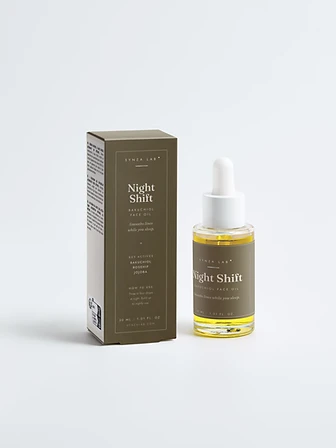
Because bakuchiol is gentle, you can start more confidently than with retinol, but a slow introduction still helps your skin adjust. Press three to four drops into clean, dry skin in the evening, alone or over a hydrating serum. Begin three nights a week and build to nightly as your skin responds well.
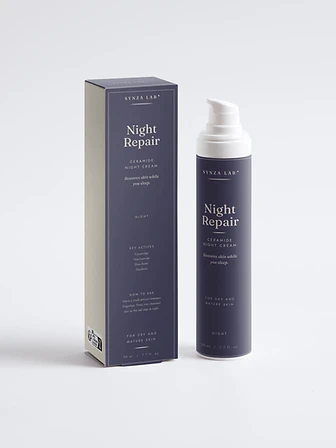
Pair it with a ceramide night cream to support the barrier, and never skip SPF in the morning. Even without retinol’s sun sensitivity, daily protection preserves the results you are working for.
What to expect, week by week
With retinol, the first two to three weeks often involve mild flaking and redness as skin adjusts. This is normal and usually settles. Visible improvement in texture tends to appear around six to eight weeks, with fine line reduction building over three to six months of consistent use.
With bakuchiol, there is usually no adjustment period. Skin looks calmer and more even within two to four weeks, with finer lines and firmer texture developing over two to three months. The journey is gentler, which is why many people stick with it long term where they abandoned retinol.
Can you use both together?
Some people layer bakuchiol and retinol to get retinol’s results with less irritation, using bakuchiol on retinol-free nights. This can work for tolerant skin, but if you are prone to sensitivity, it is simpler to pick one. Bakuchiol alone delivers the results most people are after, without the complexity of managing two actives.
A real-life scenario
A common story: someone in their late thirties tries retinol on a friend’s recommendation, gets red and flaky within a week, and concludes their skin just cannot do anti-ageing. They stop, and the lines keep coming. Switched to bakuchiol, used nightly with a ceramide cream, the same person sees smoother texture and calmer skin within a month, no irritation, no drama. The ingredient was never the problem. The match was.
If you have tried retinol and reacted badly, bakuchiol is not a compromise. It is often the better first choice.
The bottom line
Retinol remains the gold standard for tolerant skin willing to manage an adjustment period. Bakuchiol is the smarter choice for sensitive, reactive or pregnant skin, and for anyone who values consistency over intensity. Both work. The best anti-ageing ingredient is the one you will actually use every night.
Key takeaways
- Bakuchiol mimics retinol’s effects on lines and texture with far less irritation.
- It does not increase sun sensitivity and is pregnancy-friendly.
- Start bakuchiol three nights a week and build to nightly, with a ceramide cream and daily SPF.
- Retinol suits tolerant skin; bakuchiol suits sensitive, reactive or pregnant skin.
- The best anti-ageing ingredient is the one you will use consistently.
Your questions
Frequently asked
If you found this useful