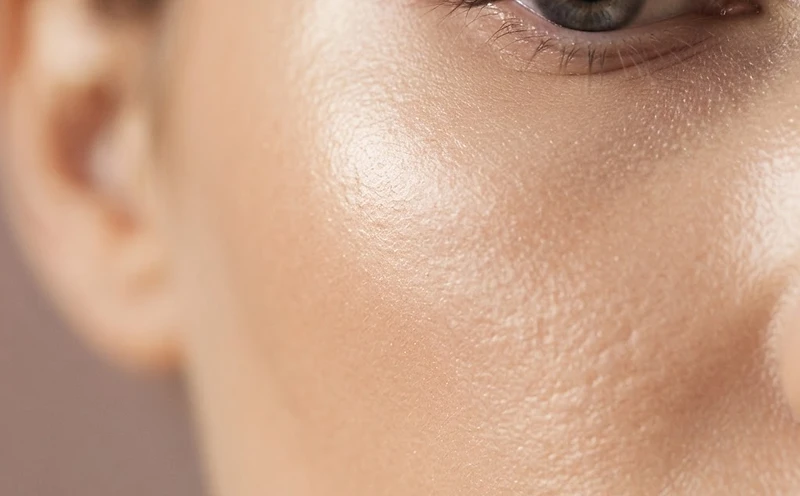
The skin barrier is the thin, protective outer layer that keeps moisture in and irritants out. When it is healthy, skin feels comfortable and looks even. When it is damaged, everything stings, redness appears, and products that used to feel fine suddenly burn. The good news: a damaged barrier is fixable, usually within two to four weeks, if you know what to stop and what to add.
Think of the barrier as a brick wall. The cells are the bricks, and ceramides, cholesterol and fatty acids are the mortar. Strip the mortar through over-exfoliation, harsh cleansers or too many actives, and the wall develops gaps. Water escapes, irritants get in, and skin reacts to everything.
What the skin barrier actually is
The barrier has two parts. The stratum corneum is the physical layer of cells and lipids, the brick wall. The acid mantle is a slightly acidic film on the surface that discourages harmful bacteria. Together they keep water in and irritants out. When either is disrupted, the skin loses moisture faster and lets in more irritants, which is why damaged barrier skin feels tight, reacts to everything, and looks red.
Signs your barrier is damaged
- Tightness and dehydration that moisturiser does not fix.
- Stinging or burning from products that never used to irritate.
- Redness, especially around the cheeks and nose.
- Sudden sensitivity to water or weather.
- Flaking or rough texture that is not normal for your skin.
- Breakouts or reactions that appeared out of nowhere.
- A feeling that nothing is absorbing, products just sit on top.
What damages the skin barrier
Barrier damage is almost always self-inflicted through overenthusiastic skincare. The main culprits are exfoliating acids used too often, retinol introduced too fast, harsh foaming cleansers with high pH, very hot water, physical scrubbing, and layering multiple strong actives at once. Environmental factors like cold wind, low humidity and central heating also dry the barrier, and some medications increase sensitivity.
Step 1: Stop the damage
Pause every active: retinol, exfoliating acids, vitamin C, even strong niacinamide if it stings. Go back to the simplest possible routine, a gentle cleanser, a hydrating serum, and a barrier-repair moisturiser. This is not forever, it is the reset your skin needs to rebuild.
Step 2: Rebuild with the right ingredients
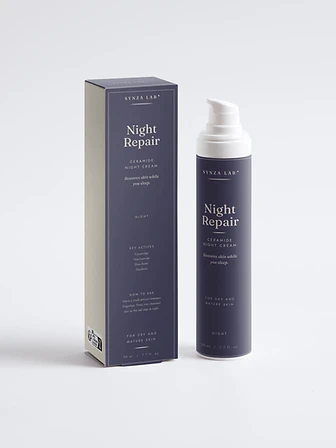
The barrier is made of ceramides, cholesterol and fatty acids, so a moisturiser that contains them literally replaces the mortar. A ceramide night cream rebuilds overnight while you sleep. Niacinamide supports the barrier lipids and reduces redness, and a fragrance-free moisturiser removes the variables that sensitive skin reacts to. Exosome technology delivers renewal signals to help skin repair itself faster.
Step 3: Hydrate and seal
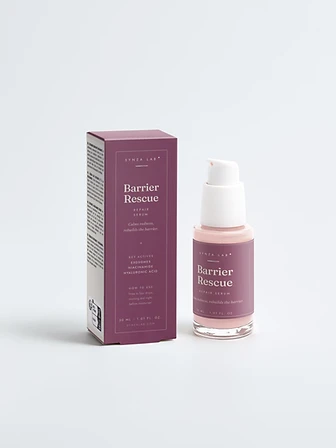
Dehydration and barrier damage go together. Use a hyaluronic serum on damp skin to replace lost water, then immediately seal with a ceramide cream so it does not evaporate. Hydration plus barrier support is the combination that actually fixes tightness, rather than masking it for an hour.
Step 4: Protect and reintroduce slowly
Daily SPF is essential, because a damaged barrier is more vulnerable to UV. Once skin feels comfortable again, usually after two to four weeks, reintroduce actives one at a time, at low frequency, and never more than one new product a week. The barrier you just rebuilt is easy to break again if you rush.
How long does barrier repair take?
Mild damage, the kind caused by a few days of over-exfoliation, often recovers in one to two weeks with a simplified routine. Moderate damage from weeks of overuse takes two to four weeks. Severe damage can take six weeks or more. The timeline depends on how long the damage went on and how consistently you support recovery. The skin rebuilds itself, your job is to stop disrupting it and give it the raw materials.
How to tell your barrier is healed
The clearest sign is that products no longer sting. Tightness fades, redness calms, and skin feels comfortable after cleansing without immediately needing moisturiser. Texture smooths and the dull, rough look gives way to an even, healthy finish. Once you can apply a gentle active without reaction, the barrier is ready for a careful reintroduction.
How to prevent damaging it again
The barrier you rebuild is easy to break a second time. To prevent it, introduce any new active slowly, one at a time, at low frequency. Do not exfoliate more than two or three times a week. Use a gentle, low-pH cleanser and lukewarm water. Keep a ceramide moisturiser in your routine permanently, and always wear SPF. Treat the barrier as something to protect, not something to push through.
A real-life scenario
Someone adds a new acid toner, a retinol and a vitamin C in the same week, chasing faster results. Within ten days their skin stings from plain moisturiser, looks red and feels tight all day. They assume their skin has become allergic to everything. In reality, the barrier is overwhelmed. Two weeks of a gentle cleanser, hyaluronic acid and a ceramide cream, with all actives paused, returns the skin to calm. Reintroducing retinol at twice a week, not nightly, keeps it that way.
Key takeaways
- Tightness, stinging and sudden sensitivity are signs of a damaged barrier.
- Pause all actives and simplify to cleanser, hydration and a ceramide moisturiser.
- Rebuild with ceramides, niacinamide and exosomes, and seal with a rich cream.
- Mild damage heals in one to two weeks, moderate in two to four.
- Reintroduce actives slowly, one at a time, once skin is comfortable again.
Your questions
Frequently asked
If you found this useful