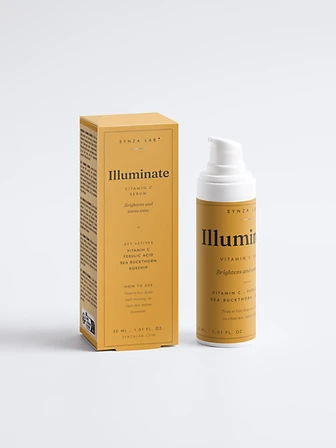
If there is one active worth adding to a morning routine, it is vitamin C. It brightens dullness, evens out tone and shields skin from the pollution and UV-generated free radicals you meet every day. The catch is that not all vitamin C is stable, and applying it wrong wastes the bottle. This is how to get it right.
Vitamin C is an antioxidant. In skin, it does three things: it interrupts the pathway that causes dullness and uneven tone, it supports collagen production for firmer-looking skin, and it neutralises free radicals from UV and pollution before they damage cells. Used daily, with sunscreen, the brightening compounds week on week.
The three main benefits of vitamin C
- Brightening: vitamin C interferes with melanin production, helping fade dark spots and even out tone for a more radiant look.
- Collagen support: it is a required cofactor for collagen synthesis, meaning your skin needs it to maintain firmness.
- Antioxidant defence: it neutralises free radicals from UV and pollution, reducing the daily damage that causes premature ageing.
Which form of vitamin C should you use?
There are several forms, and the choice matters. L-ascorbic acid is the most studied and most potent, but it is unstable, it oxidises and loses potency quickly, and it can sting sensitive skin. Stabilised derivatives like 3-O-ethyl ascorbic acid and tetrahexyldecyl ascorbate deliver the same benefits with better shelf-life and less irritation. That stability matters: an oxidised serum is brown and ineffective, and you will have wasted your money.
For most people, a stabilised derivative in the 10 to 15 percent range offers the best balance of effectiveness and tolerance. Higher concentrations do not always mean better results, and above 20 percent the risk of irritation rises without a proportional gain in brightening.
When to apply vitamin C
Morning. Because vitamin C defends against daytime free radicals from sunlight and pollution, it does its best work when you are about to face the day. Apply three to four drops to clean, dry skin, before your moisturiser and SPF. It is not an evening essential, though it is safe to use twice daily if you want.
How to use it without wasting it
- 01Apply to clean, dry skin, not damp. Vitamin C absorbs best on a dry surface.
- 02Let it fully absorb for 30 to 60 seconds before layering moisturiser.
- 03Always follow with SPF. Vitamin C boosts your sunscreen’s defence, but it is not a replacement for it.
- 04Store away from direct sunlight and keep the bottle closed. Light and air degrade it.
- 05Watch the colour: a fresh serum is clear or pale yellow. Brown or dark orange means it has oxidised and lost potency.
How to tell if your vitamin C has gone off
Oxidised vitamin C is the most common reason a serum stops working. The signs are a dark yellow, orange or brown colour, a noticeable smell change, and reduced effectiveness. L-ascorbic acid serums typically last three to six months once opened. Stabilised derivatives last longer, often up to a year. Store in a cool, dark place and keep the lid tight to extend the life.
What to expect, and when
Vitamin C is not an overnight fix. Most people notice a healthier-looking glow within two weeks, with more even tone developing over four to eight weeks of daily use. The visible brightening comes from consistent, cumulative use, not from a single dramatic application. Dark spots take longer, often three months or more to visibly fade.
Vitamin C for different skin types
Oily and combination skin tolerates L-ascorbic acid well and benefits from its brightening. Dry and sensitive skin often reacts better to gentler derivatives like tetrahexyldecyl ascorbate, which is lipid-soluble and less stinging. If you have never used vitamin C, start with a stabilised form and a lower concentration to see how your skin responds.
What to pair it with
Vitamin C pairs well with ferulic acid and vitamin E, the classic antioxidant trio that multiplies protection. It also works with hyaluronic acid for hydration and sunscreen for defence. Avoid using it at the same time as benzoyl peroxide, which can oxidise it, and be cautious combining it with very high-strength acids on the same morning.
A real-life scenario
Someone commutes into a city daily and notices their skin looks grey and tired by the evening, no matter how much they moisturise. Adding a vitamin C and ferulic serum each morning, under SPF, changes the baseline within a fortnight. The dullness lifts, the tone evens, and the end-of-day grey disappears. The pollution was winning because nothing was defending against it. Vitamin C is that defence.
The bottom line
Vitamin C is the morning active that earns its place. Choose a stabilised form, store it carefully, apply it to dry skin before SPF, and use it daily. The glow builds quietly and the protection compounds, making it one of the highest-value additions to almost any routine.
Key takeaways
- Vitamin C brightens, evens tone and defends against daily pollution and UV free radicals.
- Use a stabilised form, like 3-O-ethyl ascorbic, paired with ferulic acid for best results.
- Apply in the morning to clean, dry skin, before moisturiser and SPF.
- Expect a glow in two weeks and more even tone over four to eight weeks.
- A brown colour means the serum has oxidised and should be replaced.
Your questions
Frequently asked
If you found this useful