The biggest mistake in acne skincare is overdoing it. Stripping the skin with harsh cleansers and layering multiple strong actives feels productive, but it damages the barrier, triggers more oil production, and makes breakouts worse. A clear routine for acne-prone skin is actually simpler than you think: cleanse gently, treat with one active at a time, hydrate without oil, and protect.
Acne is an inflammatory condition driven by excess oil, blocked pores and bacteria. Skincare cannot replace medical treatment for severe acne, but the right routine reduces breakouts, speeds healing and prevents the scarring and marks that follow. The goal is balance, not aggression.
Understanding the types of acne
Not all breakouts are the same. Comedonal acne shows up as blackheads and small bumps, caused by blocked pores. Inflammatory acne is red, tender pimples, driven by bacteria and inflammation. Cystic acne is deep, painful nodules under the skin that often need medical treatment. A skincare routine helps most with comedonal and mild inflammatory acne. Cystic and severe acne should be assessed by a doctor or dermatologist, as they usually require prescription treatment.
Step 1: Cleanse, gently, twice a day
A common instinct is to reach for the strongest wash possible. That backfires. Harsh foaming cleansers strip the acid mantle, and the skin responds by producing more oil. Use a gentle, plant-derived cleanser morning and night. A mild wash lifts congestion without the tight, squeaky feeling that signals you have gone too far.
Step 2: Treat with one active at a time
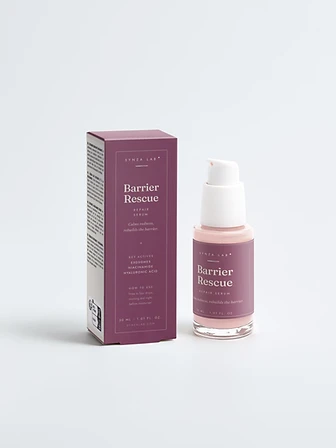
Niacinamide is the workhorse for acne-prone skin. It regulates oil, supports the barrier and visibly reduces redness without the irritation of stronger acids. A serum with niacinamide and barrier-supporting exosomes calms the inflammation that drives breakouts and helps post-blemish marks fade. Introduce one active, use it consistently for a few weeks, and only then consider adding another.
Key ingredients for acne-prone skin
- Niacinamide: regulates oil, reduces redness, supports the barrier, fades post-blemish marks.
- Salicylic acid (BHA): oil-soluble, penetrates pores to clear congestion. Use one to two nights a week.
- Benzoyl peroxide: targets acne-causing bacteria. Can be drying, so use sparingly and locally.
- Retinoids and bakuchiol: speed cell turnover to keep pores clear. Use at night, separate from acids.
- Azelaic acid: reduces redness and helps fade marks, gentle enough for sensitive skin.
Ingredients to avoid
Some ingredients make acne-prone skin worse. Heavy oils and thick creams can clog pores, so look for non-comedogenic, oil-free formulas. Denatured alcohol and strong fragrances irritate and trigger inflammation. Harsh physical scrubs tear at active breakouts and spread bacteria. Comedogenic oils like coconut and cocoa butter are best avoided on breakout-prone areas.
Step 3: Hydrate without oil
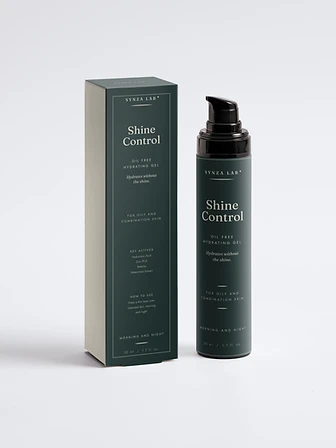
Acne-prone skin is often dehydrated skin. When you strip oil, you also strip water, and dehydrated skin overproduces oil to compensate, which feeds more breakouts. The fix is an oil-free hydrating gel with hyaluronic acid and zinc. Zinc PCA helps moderate shine through the day, and a gel texture means no pore-clogging lipids.
Step 4: Protect, every single morning
UV darkens post-blemish marks and slows healing, so skipping SPF makes acne marks last longer and look worse. Use a non-comedogenic SPF 30 or higher every morning. If breakouts make you wary of sunscreen, choose a mineral formula and apply it as the final step, never under a heavy primer.
The routine, in order
- AM: gentle cleanse, niacinamide serum, oil-free gel moisturiser, SPF.
- PM: gentle cleanse, niacinamide serum, oil-free gel moisturiser.
- Once stable, add a gentle exfoliating acid one to two nights a week, never on the same night as other actives.
A simple weekly schedule
Consistency matters more than intensity. A workable pattern for most acne-prone skin: niacinamide every morning and night. A salicylic acid exfoliant on Monday and Thursday evenings only. A retinol alternative or bakuchiol on Tuesday and Friday evenings. The remaining nights are recovery nights, just cleanse, hydrate, moisturise. This rotation keeps actives working without overwhelming the barrier.
Lifestyle factors that affect acne
Skincare is one piece of the picture. Diet plays a role for some people, particularly high-glycaemic foods and, for a minority, dairy. Stress raises cortisol, which increases oil production. Not changing pillowcases, touching the face, and wearing unwashed makeup tools all transfer bacteria. None of these alone causes acne, but together they influence how often and how severely you break out.
When to see a dermatologist
If acne is severe, painful, cystic, or leaving scars, it is time to see a doctor or dermatologist. Prescription options like topical retinoids, oral antibiotics, hormonal treatments or isotretinoin are far more effective for severe acne than anything over the counter. Early treatment also prevents the permanent scarring that becomes much harder to address later.
A real-life scenario
A teenager attacks new breakouts with a high-strength acid wash twice a day and skips moisturiser because it feels like it will cause more spots. The skin goes red, tight and flaky, then rebounds oilier, and the breakouts get worse. Switched to a gentle cleanser, a niacinamide serum and an oil-free gel, the redness calms in a week, the oiliness balances, and breakouts reduce over a month. The aggressive routine was causing the problem it was trying to solve.
If acne is severe, painful or cystic, see a doctor or dermatologist. Skincare supports medical treatment, it does not replace it.
Key takeaways
- Acne-prone skin needs gentle cleansing, not harsh stripping.
- Use one active at a time, niacinamide is the safest starting point.
- Hydrate with an oil-free gel, dehydration drives more oil and more breakouts.
- Daily SPF prevents post-blemish marks from darkening.
- Severe, cystic or scarring acne needs a dermatologist, not just skincare.
Your questions
Frequently asked
If you found this useful