Hyaluronic acid is the most recommended hydrating ingredient in skincare, and the most misused. It can hold up to 1,000 times its weight in water, which sounds miraculous. But apply it the wrong way and it can actually pull moisture out of your skin. The difference between plump and parched comes down to one detail.
Hyaluronic acid is a humectant. It grabs water and holds it in the skin. Your body makes it naturally, and it is what gives young skin its bounce. In a serum, it tops up that reservoir. The science is simple: more water held in the skin means more plumpness, less tightness and a smoother surface that reflects light evenly, which is the literal mechanism of glow.
How hyaluronic acid actually works
Hyaluronic acid is a glycosaminoglycan, a long molecule that binds water molecules to itself. A single gram can hold up to six litres of water. In the skin, it sits in the dermis and epidermis, maintaining hydration and cushioning. Topical hyaluronic acid does not penetrate deeply, but it hydrates the upper layers, which is where the visible plumpness and smoothness come from.
The one rule that makes or breaks it
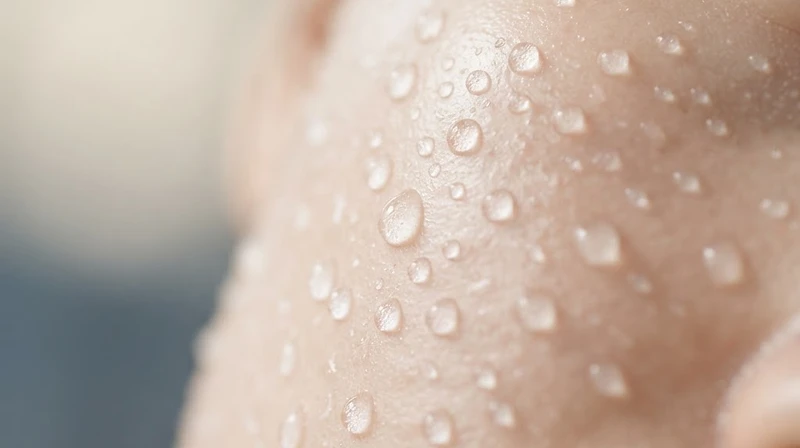
Apply hyaluronic acid to damp skin. Always. On damp skin, it draws the water already sitting on the surface into the upper layers. On dry skin, with no water to grab, it can pull moisture up from deeper in the skin and then evaporate it away, leaving you tighter than before. This single mistake is why people say hyaluronic acid dries them out.
How to use it, step by step
- 01Cleanse, then leave skin slightly damp, or mist with water.
- 02Press three to four drops of hyaluronic serum into the damp skin.
- 03Wait a few seconds for it to absorb.
- 04Seal immediately with your moisturiser, morning and night.
Multi-weight hyaluronic acid, why it matters
Hyaluronic acid molecules come in different sizes, often described as high, medium and low molecular weight. Large molecules sit on the surface and smooth the feel of skin. Small ones penetrate deeper to hydrate from within. A serum with multiple molecular weights hydrates at several levels at once, which is why the results feel more substantial than a single-weight formula. This layered hydration is what gives skin that dewy, bouncy look rather than a surface-only slick.
Hyaluronic acid vs other humectants
Hyaluronic acid is not the only humectant. Glycerin is another effective one, found in many moisturisers, and it is even more reliable in dry climates because it draws moisture from the air as well as the skin. Urea and panthenol also hydrate. Hyaluronic acid stands out for its high water-binding capacity and its light, non-sticky feel, which is why it is the serum-layer favourite. A routine can use several humectants together for layered hydration.
Who benefits most
Almost everyone, because dehydration is the most common, most overlooked skin issue. Oily skin is frequently dehydrated skin over-producing oil to compensate. A hyaluronic serum hydrates without adding oil, which is exactly what oily and combination skin needs. Dry skin benefits from the water it cannot make enough of, and sensitive skin tolerates it because it is a substance the body already produces.
How much to use
Three to four drops for the whole face and neck is enough. Hyaluronic acid is not a case where more is better. Too much can leave a tacky film that pills under moisturiser. A thin layer, pressed in, then sealed, is the effective approach.
Does hyaluronic acid dry out skin in dry climates?
In very dry or low-humidity environments, there is a real risk that hyaluronic acid, with little moisture in the air to draw from, pulls water from deeper skin and lets it evaporate. The fix is the same as always: apply to damp skin and seal immediately with a moisturiser. In arid climates, a moisturiser with glycerin helps, because glycerin can draw moisture from the air more reliably than hyaluronic acid.
A real-life scenario
Someone with oily skin keeps buying richer moisturisers to fix tightness, and gets shinier but no less tight. The problem was never lack of oil, it was lack of water. A hyaluronic serum on damp skin, sealed with a light gel moisturiser, fixes the tightness without adding shine. The oiliness calms because the skin stops overcompensating. Hydration, not heaviness, was the answer all along.
The bottom line
Hyaluronic acid is the most reliable hydrator in skincare, but only when used correctly. Damp skin, a few drops, and an immediate moisturiser to seal it. Get that sequence right and it delivers the plump, comfortable, dewy skin it promises. Get it wrong and it can do the opposite. The ingredient is not the problem, the method is.
Key takeaways
- Hyaluronic acid holds up to 1,000 times its weight in water for instant plumpness.
- Always apply it to damp skin, or it can pull moisture out instead of in.
- Follow with a moisturiser to seal the hydration, or it evaporates.
- A multi-weight formula hydrates at several depths for better results.
- Three to four drops is enough, more can pill and feel tacky.
Your questions
Frequently asked
If you found this useful